Overview of our ESG highlights
Our sustainability strategy is based on four strategic pillars – promoting socio-economic prosperity, ensuring safe and secure operations, supporting and developing our people, and respecting the environment – which are aligned with the 13 United Nations Sustainable Development Goals that are most relevant to us. These form the basis of our Sustainability Performance and Reporting Framework. Further details on this are included in the Sustainability section of the website.
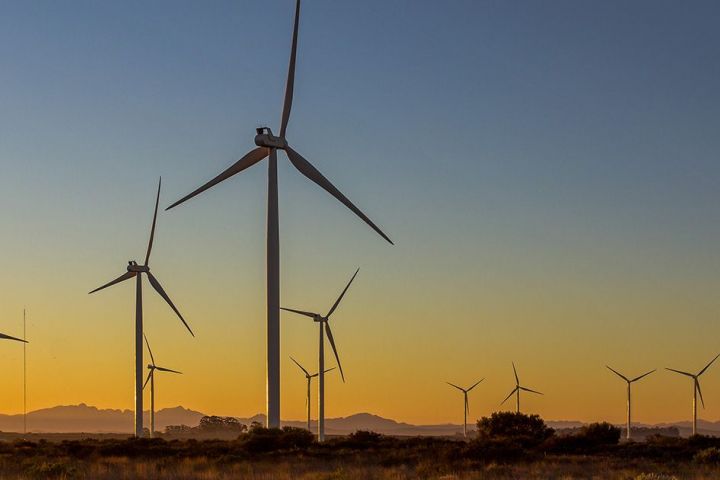
Our Power Division currently has a portfolio of large-scale hydroelectric, solar and wind renewable energy projects in motion across Africa, including our flagship up to 250 MW Parc Eolien de la Tarka wind farm project in Niger1 and our up to 95 MW Bini a Warak hybrid hydroelectric and solar project in Cameroon.
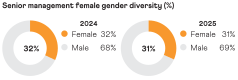
- The timing and sequencing of further development activities in relation to the Parc Eolien de la Tarka project are expected to be linked to the timing and outcome of the Company’s ongoing discussions with the Government of Niger regarding the R1234 PSC and the potential recommencement of oil activities.
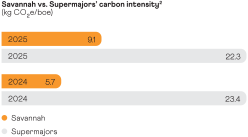
- Carbon intensity figures based on latest available published data reported by TotalEnergies, ConocoPhillips and Eni who include Scope 1 and 2 emissions in their reported kg CO₂/boe carbon intensity figures. For Savannah, Scope 2 emissions are minor and in 2025 Scope 1 and 2 carbon intensity kg CO₂/boe was the same as Scope 1 carbon intensity kg CO₂/boe.
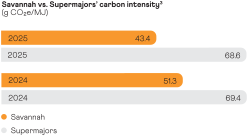
- Carbon intensity figures based on the latest available published data reported by TotalEnergies, Shell, bp, Eni and Chevron.
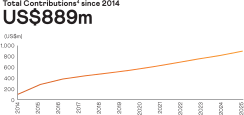
- Total contributions to Nigeria and Niger defined as payments to governments, employee salaries and payments to local suppliers and contractors. Where total contributions refer to the period 2014–2025 they include contributions to Nigeria during the period pre-acquisition of the Nigerian assets by Savannah.