
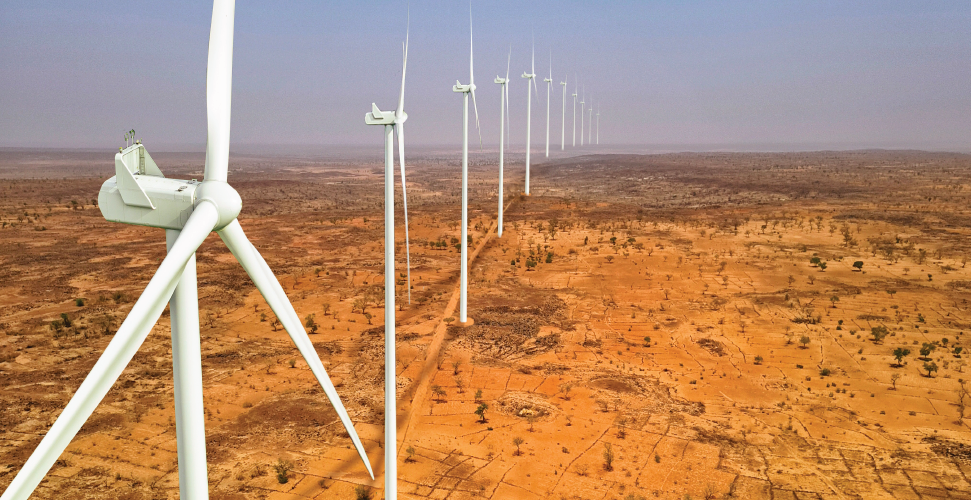
Savannah’s Power Division has a current portfolio of large-scale hydroelectric, solar and wind renewable energy projects in motion across Africa
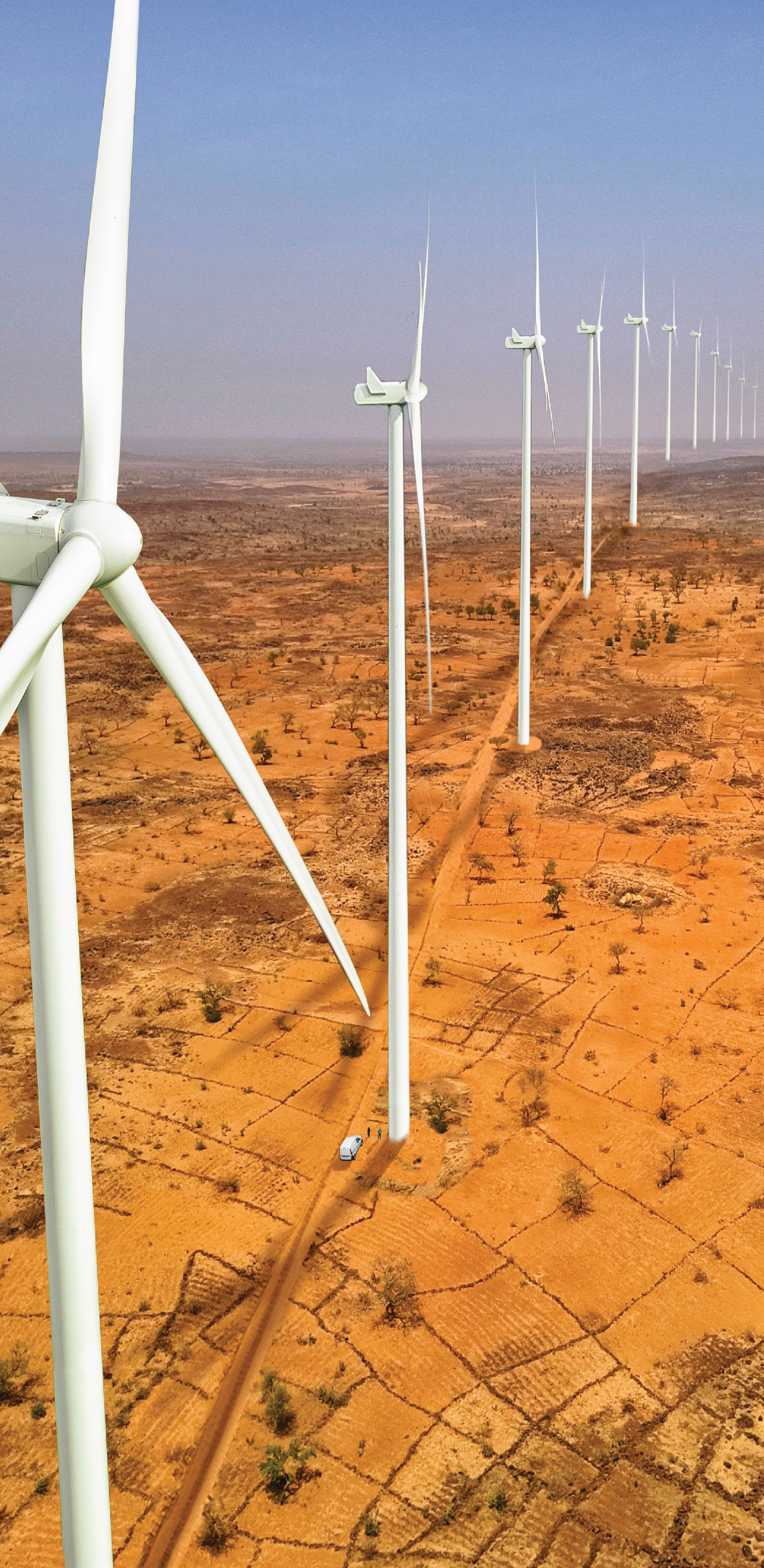
Parc Eolien de la Tarka¹
Savannah’s up to 250 MW Parc Eolien de la Tarka project, located in the Tahoua Region of southern Niger, is expected to be the country’s first wind farm and the largest in West Africa. With 35 to 40 wind turbines and a total power generation capacity of up to 250 MW, it is expected to produce up to 800 GWh of electricity per year, representing approximately 20% of Niger’s national annual electricity demand by 2029.2 The construction phase is expected to create over 500 jobs, and it has the potential to reduce the cost of electricity for Nigeriens and avoid an estimated 450,000 tonnes of CO2 emissions annually.3
A leading international development finance institution, the US International Development Finance Corporation ("DFC"), which is America’s development finance institution, is funding approximately one-third of the project’s pre-construction development costs.
Up to 250 MW
Proposed installed power generation capacity
35-40 wind turbines
Expected to comprise between 35 to 40 wind turbines
800 GWh/y
Expected to produce up to 800 GWh per year of electricity to the Nigerien grid
500 local jobs
The construction phase of the project is expected to create over 500 local jobs
20%
Expected to meet approximately 20% of Niger’s electricity demand by 20292
First power 2029
Financial close expected in 2027and first power targeted in 2029
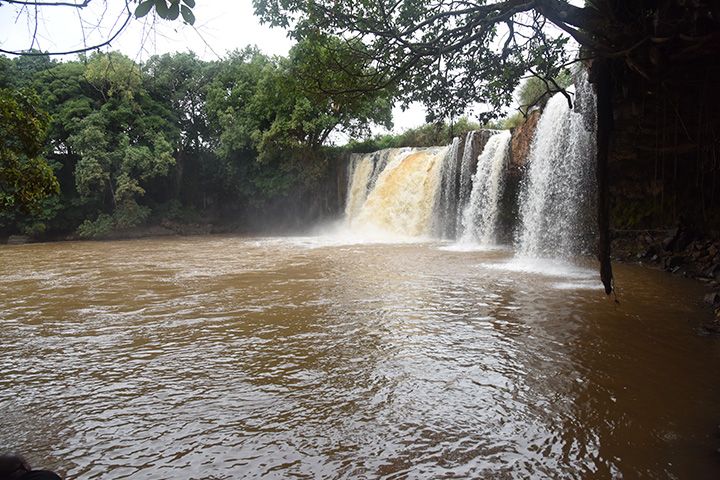
Bini a Warak
Savannah’s up to 95 MW hybrid hydropower and solar Bini a Warak project, located in the northern Adamawa Region of Cameroon, involves the construction of a dam on the Bini River, together with a reservoir and associated waterways, powerhouses, substations and a transmission line connecting the project to Cameroon’s northern electricity grid. The project includes 40 MW of photovoltaic solar, with hydropower production adapting to photovoltaic solar production levels, enabling a combined stable level of energy generation throughout the day. The project is expected to generate clean, stable, and affordable power for Cameroon’s northern region, increasing the region’s generation capacity by over 50%. This, in turn, is expected to support existing local electricity demand and enable energy-intensive industrial projects that will drive economic development. The Cameroon-Chad Interconnection Project, financed by the World Bank and scheduled for completion by 2027, will allow for the transmission of electricity between north and south.
Up to 95 MW
To be located in the northern Adamawa Region of Cameroon
+50%
Expected to increase current on-grid electricity generation capacity in northern Cameroon by over 50%
110 kV
A 110 kV transmission line is expected to connect the project to Cameroon’s northern electricity grid
First power 2030
The project is intended to be developed on an independent power project basis with financial close expected in Q3 2028, first power from the solar unit targeted in 2030 and the hydropower unit commissioned approximately four years after project sanction. We also plan to bring in a funding partner ahead of financial close
- The timing and sequencing of further development activities in relation to the Parc Eolien de la Tarka project are expected to be linked to the timing and outcome of the Company’s ongoing discussions with the Government of Niger regarding the R1234 PSC and the potential recommencement of oil activities.
- Based on internal calculations.
- Calculation based on European Investment Bank (EIB) Project Carbon Footprint Methodologies, Methodologies for the Assessment of Project GHG Emissions and Emission Variations, July 2020.